What Does 925 Mean on Jewelry? Everything You Need to Know
The Quick Answer: What 925 Means
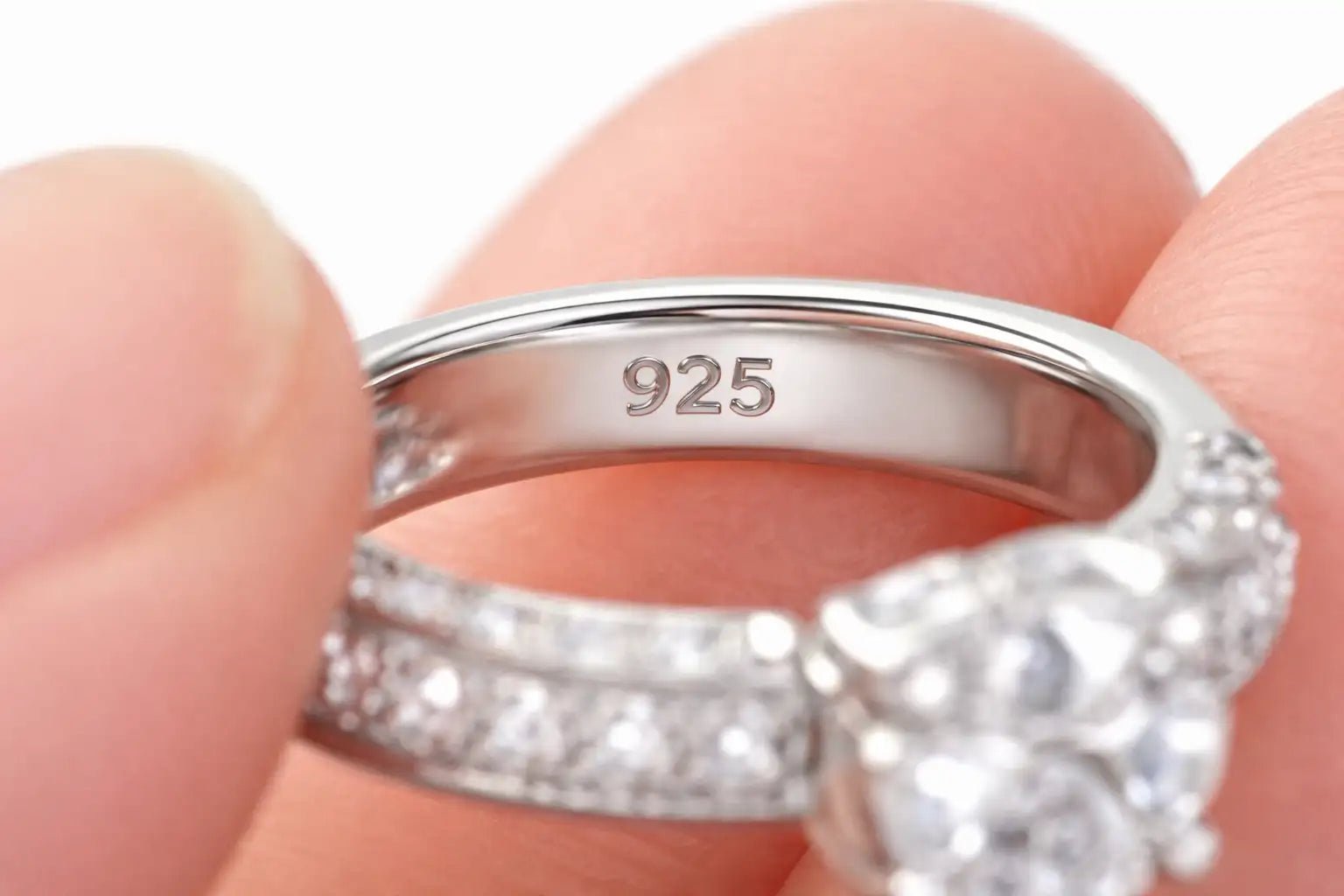
You've spotted "925" stamped on your jewelry and you're wondering what does 925 mean on jewelry. Here's the straightforward answer: 925 is the hallmark for sterling silver, indicating your piece contains 92.5% pure silver mixed with 7.5% other metals (usually copper).
This number isn't random. It's an internationally recognized standard that tells you exactly what you're buying. When you see 925 stamped, engraved, or etched on jewelry, you're looking at authentic sterling silver that meets quality standards used worldwide.
At MH Elegance, we encounter this question daily from customers examining their jewelry purchases or inherited pieces. Understanding what does 925 mean on jewelry helps you recognize quality, authenticate your pieces, and know you're investing in genuine silver rather than silver-plated or fake jewelry.
The 925 mark represents more than just metal content. It signals craftsmanship standards, lasting value, and jewelry that can serve you beautifully for generations when properly cared for. This comprehensive guide reveals everything you need to know about this important marking.
Understanding Sterling Silver Purity
To fully grasp what does 925 mean on jewelry, you need to understand how precious metal purity works.
The Mathematics of 925
The 925 marking indicates parts per thousand:
925 parts out of 1000 = 92.5%
This means:
- 92.5% pure silver
- 7.5% alloy metals (typically copper, sometimes zinc or nickel)
Another Way to Express It: 925 can also be written as .925 or 92.5%, all meaning the same thing.
The Sterling Silver Standard
Sterling silver isn't just one manufacturer's choice. It's an internationally recognized standard that dates back centuries. This 92.5% purity has been the benchmark for quality silver jewelry and silverware since the 14th century in England.
Why This Matters: When you see 925, you're not just buying silver. You're buying a piece that meets centuries-old quality standards recognized worldwide.
What Makes Up That Other 7.5%?
The non-silver portion typically consists of:
Copper (Most Common): Added because it hardens the silver significantly while maintaining beautiful color and workability
Zinc: Sometimes included in small amounts to improve casting and reduce fire scale during manufacturing
Other Metals: Occasionally includes tiny amounts of other elements to achieve specific properties
What's Not Included: Quality 925 sterling silver contains no iron, lead, or toxic metals
Why Not 100% Pure Silver?
You might wonder why jewelry isn't made from 100% pure silver if silver is the valuable part. There's an excellent reason for the 7.5% alloy content.
Pure Silver Is Too Soft
Fine silver (99.9% pure silver, marked as .999) is beautiful but extraordinarily soft. It's so soft that:
- Rings bend and deform with normal wear
- Prongs holding gemstones loosen easily
- Chains stretch and break under minimal stress
- Details and engravings wear smooth quickly
- The metal scratches from simply rubbing against clothing
Historical Example: Ancient silver coins made from pure silver wore smooth within years of circulation. The softness made them impractical for items experiencing regular handling.
Copper Adds Crucial Strength
The 7.5% copper in sterling silver transforms the metal's properties:
Hardness: Copper increases hardness significantly, allowing jewelry to withstand daily wear
Durability: Sterling silver maintains its shape and doesn't deform with normal activities
Practicality: Prongs stay tight, clasps remain functional, and designs hold their detail
Workability: The alloy actually makes silver easier for jewelers to work with, allowing intricate designs
The Perfect Balance
The 92.5% silver to 7.5% copper ratio represents centuries of metallurgical refinement. It's the sweet spot that maintains silver's beautiful appearance while adding enough strength for practical jewelry that lasts generations.
Too Much Alloy: More than 7.5% other metals and the piece loses its silver appearance and properties
Too Little Alloy: Less than 7.5% other metals and jewelry becomes too soft for practical wear
Caring for Your 925 Sterling Silver Jewelry
Knowing what does 925 mean on jewelry includes understanding how to maintain sterling silver's beauty. Learn more in our complete jewelry cleaning guide.
Daily Wear Habits
Best Practices:
- Put jewelry on last (after makeup, perfume, lotion)
- Remove jewelry first (before showering, swimming, cleaning)
- Store properly when not wearing
- Wipe with soft cloth after wearing to remove oils and moisture
Avoid Exposure To:
- Chlorine (pools, hot tubs, cleaning products)
- Sulfur compounds (hot springs, eggs, onions, rubber)
- Harsh chemicals (hairspray, perfume direct contact, cleaning products)
- Excessive moisture (don't store in bathrooms)
Cleaning Sterling Silver
Regular Cleaning Method:
- Mix warm water with a few drops of mild dish soap
- Soak jewelry for 10-15 minutes
- Gently brush with soft toothbrush
- Rinse thoroughly under clean water
- Dry completely with soft, lint-free cloth
For more detailed cleaning advice, check out our expert jewelry cleaning guide and our metal care guide.
Storage
Proper Storage Prevents Tarnish:
- Store in anti-tarnish bags or cloths
- Keep in cool, dry place (not bathrooms)
- Separate pieces to prevent scratching
- Use silica gel packets to control moisture
- Consider airtight containers for long-term storage
- Check our jewelry cabinet buying guide for proper storage solutions
Does 925 Silver Tarnish?
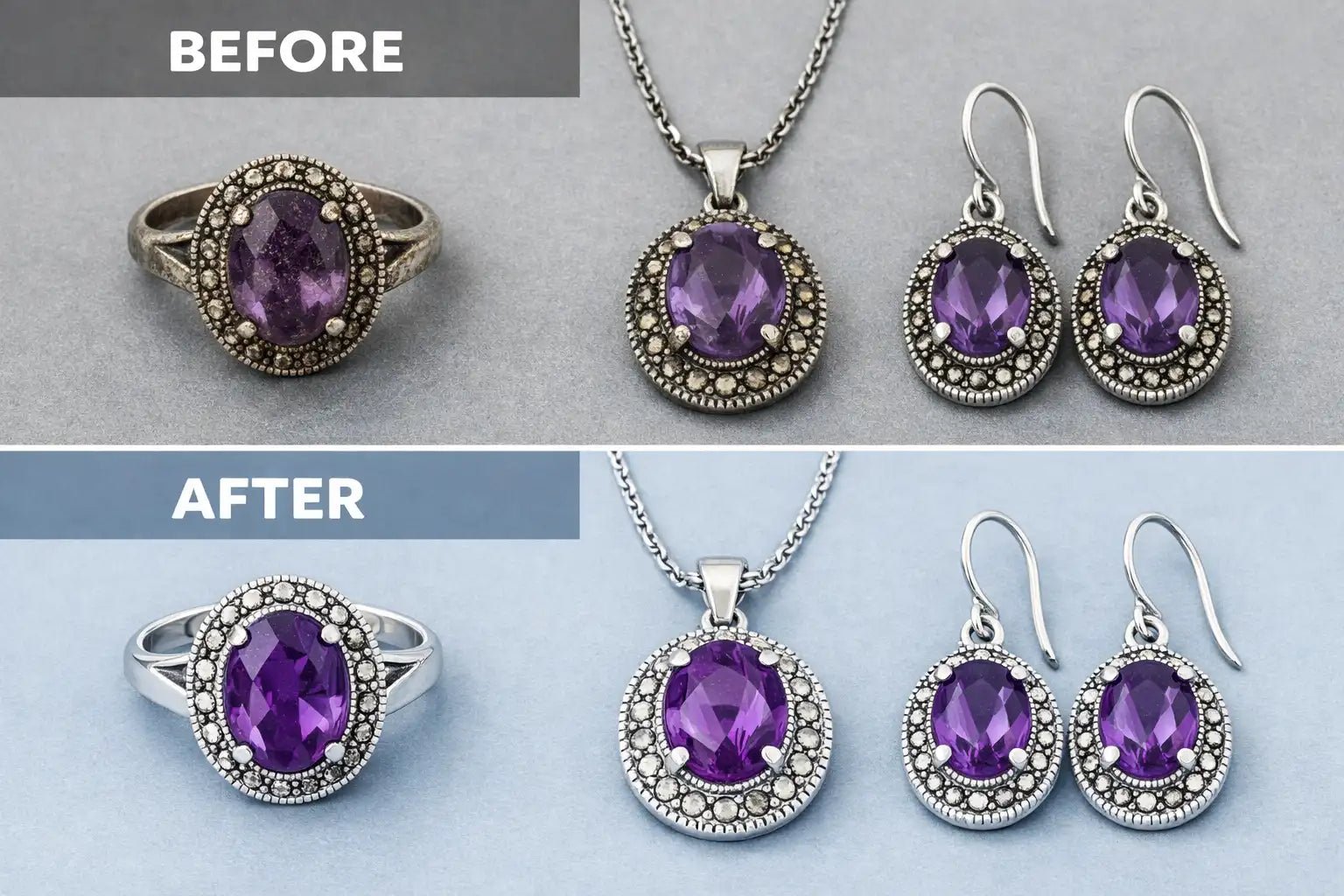
Yes, 925 sterling silver does tarnish, but understanding why and how helps you prevent and manage it. Learn more about how different metals tarnish.
Why Sterling Silver Tarnishes
Chemical Reaction: The copper in sterling silver reacts with sulfur compounds in the air, forming a dark layer called silver sulfide
Environmental Factors That Accelerate Tarnishing:
- High humidity
- Air pollution
- Exposure to sulfur (rubber bands, wool, some foods)
- Cosmetics and perfumes
- Swimming pool chlorine
Normal Process: Tarnishing is a natural reaction, not a sign of poor quality or fake silver
Removing Tarnish
Good News: Tarnish is only surface deep and removes easily with proper cleaning. Check our complete tarnish removal guide for detailed methods.
925 Silver vs. Other Metals
Understanding how sterling silver compares to other jewelry metals helps you make informed choices. Explore our comprehensive guide to choosing jewelry metals.
925 Silver vs. Gold
Sterling Silver Advantages:
- More affordable than gold
- Bright white color many prefer
- Excellent for contemporary and modern designs
- Great for everyday jewelry - explore our sterling silver necklaces
925 Silver vs. Stainless Steel
Sterling Silver Advantages:
- Precious metal with inherent value
- Warmer, softer appearance
- Can be easily polished and refinished
- Traditional jewelry metal with history
Frequently Asked Questions
What does 925 mean on jewelry?
925 on jewelry means the piece is made of sterling silver containing 92.5% pure silver and 7.5% other metals (usually copper). This is the international standard for quality silver jewelry and indicates you have genuine sterling silver, not silver-plated or fake jewelry.
Is 925 silver real silver or fake?
925 silver is absolutely real, genuine silver. It's not fake or imitation. The 92.5% silver content makes it a precious metal with real value. Sterling silver (925) is solid throughout the piece, unlike silver-plated jewelry which only has a thin silver coating over base metal.
Does 925 silver tarnish?
Yes, 925 sterling silver does tarnish over time. The copper in the alloy reacts with sulfur compounds in the air, forming a dark layer called tarnish. However, this is completely normal and doesn't mean the silver is fake or low quality. Tarnish is only surface deep and removes easily with silver polish or cleaning methods.
Where can I find beautiful 925 sterling silver jewelry?
Discover our stunning collection of 925 sterling silver earrings, sterling silver pendants, and sterling silver bracelets at MH Elegance.
MH Elegance — Where Quality Meets Knowledge

Written by MH ELEGANCE