
How to Clean Gold Jewelry: The Expert's Complete Guide to Restoring Brilliant Shine
Why Your Gold Jewelry Needs Regular Cleaning
Your favorite gold necklace doesn't sparkle like it once did. Your wedding band looks dull instead of brilliant. Your gold earrings have lost their luster. Before you panic and assume something's wrong with your jewelry, understand this: what you're seeing is almost certainly just buildup, not damage, and knowing how to clean gold jewelry properly will restore that gorgeous shine in minutes.
Gold jewelry faces daily attacks from invisible enemies. Body oils transfer onto rings and bracelets every time you wear them. Hand lotion, sunscreen, and moisturizers create thin films that coat your pieces. Makeup, especially powder foundations, leaves residue that dulls shine. Environmental dust settles into crevices. Soap from hand-washing accumulates behind gemstone settings. Over weeks and months, these layers build up, blocking light from reflecting off the gold surface and creating that disappointing dull appearance.
At MH Elegance, we teach clients that understanding how to clean gold jewelry is as important as choosing quality pieces in the first place. Even the finest 18k gold loses its brilliance under a layer of buildup. The good news? This buildup sits on the surface, it hasn't damaged your gold. Simple cleaning removes it completely, revealing the beautiful jewelry underneath.
Regular cleaning does more than restore beauty. It protects your investment by allowing you to inspect pieces for loose stones, worn prongs, or developing damage. It extends your jewelry's lifespan by preventing buildup from hardening into stubborn grime that requires aggressive professional cleaning. Most importantly, it ensures you actually enjoy wearing your jewelry, because who wants to wear dull, lackluster pieces when brilliant gold is just one cleaning away?
This comprehensive guide reveals exactly how to clean gold jewelry safely and effectively using methods that work, avoid the mistakes that cause damage, and know when to seek professional help instead of DIY cleaning.
Understanding Your Gold: What You're Actually Cleaning
Before learning how to clean gold jewelry, you need to understand what you're cleaning, because not all "gold" jewelry is the same, and different types require different approaches.
Solid Gold vs. Gold-Plated vs. Gold-Filled
Solid Gold (10k, 14k, 18k, 22k):
- Gold goes all the way through the metal
- Can withstand more vigorous cleaning methods
- Won't wear through to reveal different metal underneath
- Scratches don't expose base metals
- Lasts for generations with proper care
Gold-Plated Jewelry:
- Thin layer of gold (0.5-2 microns) over base metal
- The gold layer wears through with use and aggressive cleaning
- Requires extremely gentle cleaning to preserve the plating
- Has limited lifespan regardless of care
- Once plating wears through, the jewelry loses its gold appearance
Gold-Filled Jewelry:
- Thick layer of gold (5% or more of total weight) mechanically bonded to base metal
- The gold layer is 50-100 times thicker than plating
- Can handle moderate cleaning methods
- Lasts 10-30+ years with proper care
- Better than plated but not as permanent as solid gold
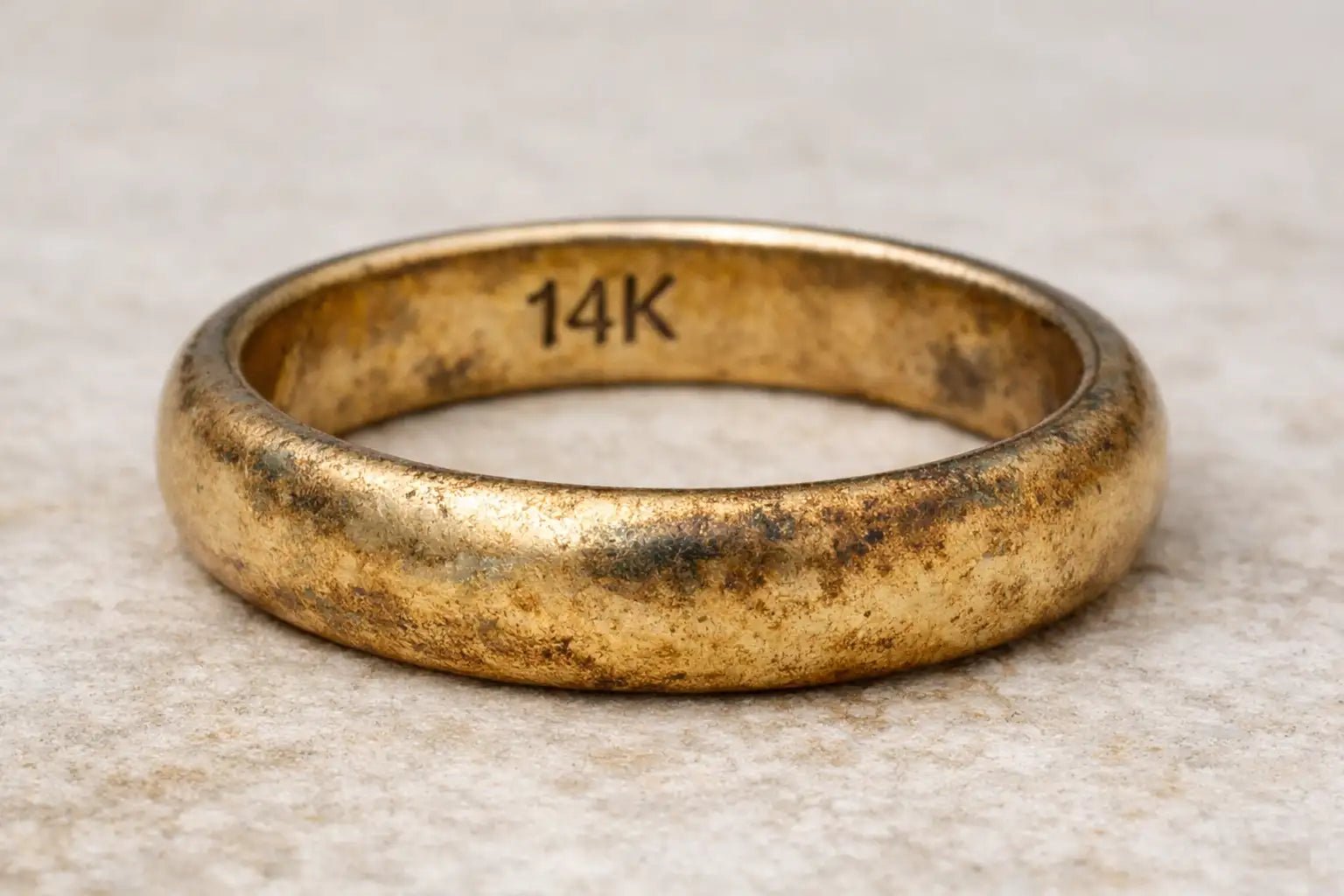
How to Tell: Check for hallmark stamps like "14k," "585" (14k), "18k," "750" (18k) for solid gold. Look for "GF" (gold-filled) or "GP" (gold-plated). If unsure, visit a jeweler for testing.
Gold Karat and Cleaning
10k Gold (41.7% pure gold):
- Most durable due to high alloy content
- Withstands vigorous cleaning well
- May show slight discoloration from alloy metals under extreme conditions
14k Gold (58.3% pure gold):
- The most common choice for jewelry
- Balances durability with gold richness
- Cleans beautifully with standard methods
18k Gold (75% pure gold):
- Softer than lower karats
- Requires slightly gentler cleaning to avoid scratching
- Displays the richest gold color
22k and 24k Gold (91.7%-99.9% pure gold):
- Extremely soft and scratch-prone
- Requires the gentlest cleaning methods
- Rarely used for everyday jewelry due to softness
Gemstones Change Everything
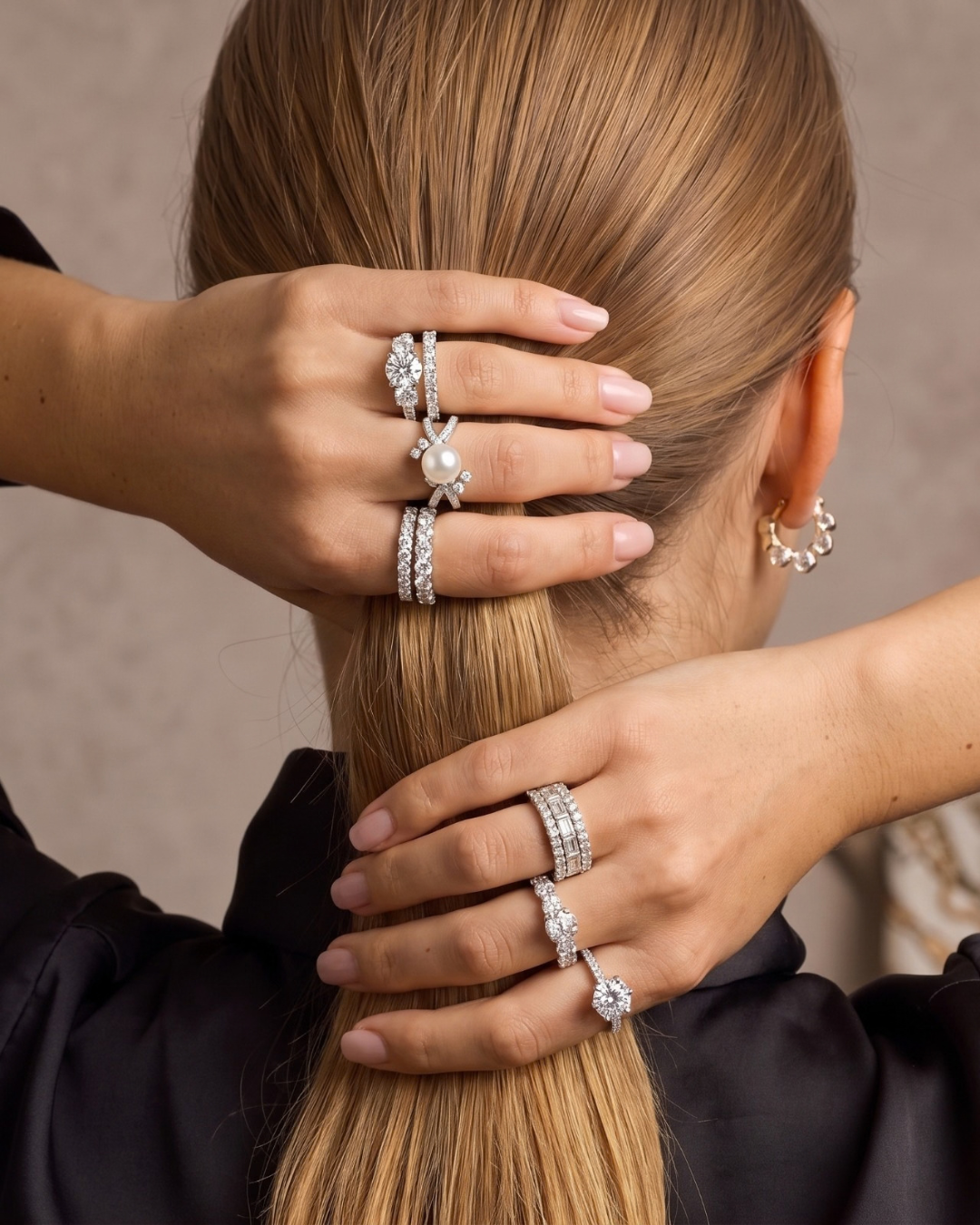
If your gold jewelry includes gemstones, your cleaning approach must adapt to protect the stones:
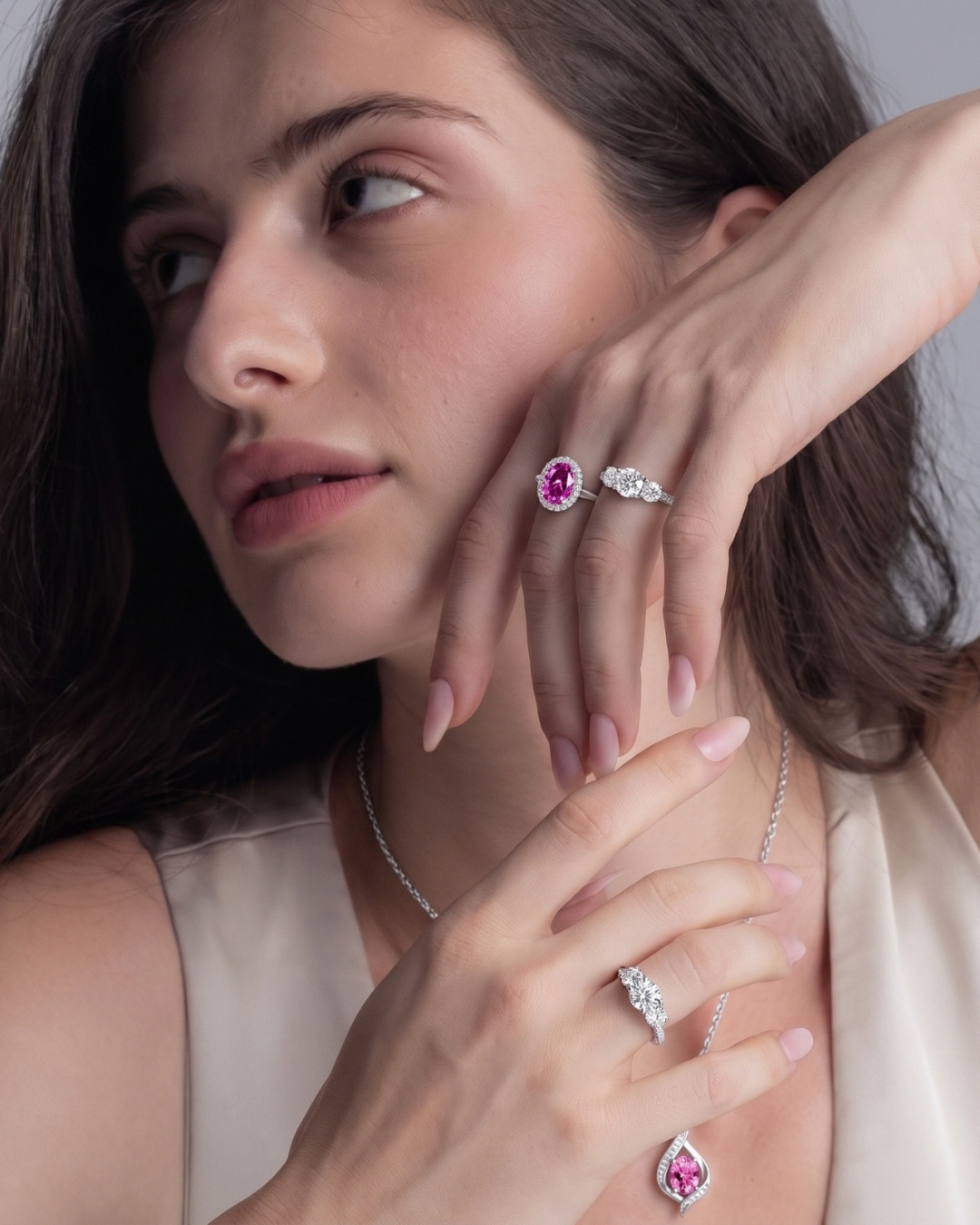
Hard Gemstones (diamonds, sapphires, rubies):
- Can withstand the same cleaning as gold
- Extremely durable
- Benefit from brushing to remove buildup around settings
Soft or Porous Stones (pearls, opals, turquoise, emeralds, coral):
- Require special care
- Many can't be soaked or brushed
- Some are damaged by soap or chemicals
- May need professional cleaning only
The Safest Method: Dish Soap and Warm Water
If you only learn one method for how to clean gold jewelry, make it this one. This gentle, effective approach works for virtually all solid gold pieces and most gold-filled jewelry.
Why This Method Works
Dish soap is specifically formulated to cut through oils and grease, exactly what builds up on jewelry from skin contact, lotions, and cosmetics. The mild formula cleans without harsh chemicals that might damage gold or gemstones. Warm water helps loosen debris without the risks associated with boiling water.
What You Need
- Warm (not hot) water
- A few drops of mild dish soap (Dawn works excellently)
- A soft-bristled toothbrush (dedicated to jewelry cleaning)
- A lint-free cloth or microfiber towel
- A small bowl
Step-by-Step Process
Step 1 Prepare Your Cleaning Solution
Fill your bowl with warm water, comfortable to your hand, not steaming hot. Add 2-3 drops of mild dish soap and swirl gently to mix. You want lightly soapy water, not a bubble bath.
Step 2 Soak Your Jewelry
Place your gold pieces into the soapy water. Let them soak for 10-15 minutes. This soaking time allows the solution to penetrate and loosen accumulated oils, dirt, and residue that simple wiping won't remove.
Step 3 Gentle Brushing
Remove one piece at a time from the solution. Using your soft toothbrush, gently brush the jewelry with circular motions. Pay special attention to:
- Crevices and detailed areas where dirt hides
- Behind gemstone settings where buildup accumulates
- Chain links that trap debris
- The inside of rings where skin contact is constant
Use light pressure, you're removing buildup, not scrubbing pans. The soap does the work; the brush just assists.
Step 4 Thorough Rinsing
Rinse each piece under lukewarm running water. Make absolutely sure all soap residue is gone leftover soap creates a film that dulls shine. Close your drain or use a strainer to prevent accidental drops down the drain.
Step 5 Complete Drying
Pat your jewelry dry with a lint-free cloth. Then let pieces air-dry completely on a clean towel before storing. This prevents water spots and ensures no moisture gets trapped in settings or hollow areas.
When This Method Is Perfect
This approach works beautifully for:
- All solid gold jewelry (10k-24k)
- Gold-filled pieces
- Gold with hard gemstones (diamonds, sapphires, rubies)
- Chains, rings, bracelets, and earrings
- Routine cleaning every 2-4 weeks
7 Proven Methods to Clean Gold Jewelry at Home
Beyond the basic soap method, these techniques handle specific situations when you need to know how to clean gold jewelry more thoroughly or address particular issues.
Method 1: Baking Soda Paste (For Stubborn Buildup)
When to Use: Heavily soiled gold with stubborn residue that soap alone won't remove
What You Need: Baking soda, water, soft cloth or brush
Process:
- Mix 3 parts baking soda with 1 part water to create a paste
- Apply the paste to your jewelry using your fingers or a soft cloth
- Gently rub in circular motions, focusing on problem areas
- Rinse thoroughly under lukewarm water
- Dry completely with a soft cloth
Why It Works: Baking soda is a mild abrasive that lifts stubborn residue without scratching gold when used with gentle pressure.
Caution: Use very light pressure. Excessive scrubbing can scratch softer gold (18k, 22k, 24k) or damage gemstone surfaces. Never use on gold-plated jewelry.
Method 2: Ammonia Solution (For Deep Cleaning Solid Gold)
When to Use: For very dirty solid gold jewelry without soft gemstones, pieces you haven't cleaned in months or years
What You Need: Household ammonia, water, bowl
Process:
- Mix 1 part ammonia with 6 parts warm water
- Soak jewelry for NO MORE than 1 minute
- Use a soft brush to gently scrub if needed
- Rinse extremely thoroughly with clean water
- Dry completely
Why It Works: Ammonia cuts through heavy grease and grime quickly and effectively.
Critical Warnings:
- Never use on pearls, opals, emeralds, or soft stones
- Use only for solid gold with hard gemstones or plain gold pieces
- Always use in well-ventilated areas
- Don't breathe fumes
- Never mix with bleach or other chemicals
- This is powerful use sparingly
Method 3: White Vinegar Solution (For Tarnish and Discoloration)
When to Use: When your gold shows tarnishing or discoloration from chemical exposure or lower-karat gold oxidation
What You Need: White vinegar, water, bowl
Process:
- Mix equal parts white vinegar and warm water
- Submerge your gold jewelry
- Let soak for 10-15 minutes
- Remove, rinse thoroughly with clean water
- Dry completely with a soft cloth
Why It Works: Vinegar's acidity dissolves tarnish and oxidation without harming solid gold or hard gemstones.
Caution: Never use on pearls, opals, or other porous stones. Avoid on gold-plated jewelry as prolonged exposure can affect thin plating.
Method 4: Boiling Water (For Pure Gold Only)
When to Use: For plain solid gold pieces (no gemstones, no delicate parts) when you want the deepest clean possible
What You Need: Boiling water, heat-safe bowl, tongs
Process:
- Bring water to a rolling boil
- Place your solid gold piece in a heat-safe bowl
- Pour boiling water over the jewelry, fully submerging it
- Let sit for several minutes as water cools
- Remove carefully with tongs
- Rinse if needed and dry thoroughly
Why It Works: Heat expands the metal slightly, releasing trapped dirt and debris. Temperature also melts away oils and buildup.
Critical Caution:
- Only use for solid gold without ANY gemstones (heat can crack or damage stones)
- Never use on gold-plated jewelry
- Avoid pieces with delicate soldered connections
- Not suitable for hollow gold that might collapse
Method 5: Commercial Jewelry Cleaner
When to Use: When you want convenience and consistent results without mixing solutions yourself
What You Need: Commercial jewelry cleaner formulated for gold
Process: Follow the specific product instructions (typically involves soaking, gentle brushing, thorough rinsing, and complete drying)
Why It Works: Quality commercial cleaners are scientifically formulated to clean gold safely and effectively.
Choosing Quality: Look for cleaners specifically formulated for gold and safe for your specific gemstones. Read labels carefully and avoid harsh chemicals.
Method 6: Ultrasonic Cleaner (With Caution)
When to Use: For thorough cleaning of solid gold with securely set hard gemstones
What You Need: Ultrasonic jewelry cleaner (home or professional model)
Process: Follow device instructions (typically involves filling with water and solution, placing jewelry in basket, running cycle)
Why It Works: High-frequency sound waves create microscopic bubbles that dislodge debris from hard-to-reach areas
Important Warnings:
- Never use on emeralds, opals, pearls, or stones with inclusions or fractures
- Can loosen stones with compromised settings
- Not suitable for gold-plated jewelry
- Check with professionals before using on valuable pieces
Method 7: Professional Steam Cleaning
When to Use: For the deepest clean without DIY risks
What You Need: Visit MH Elegance or another professional jeweler
Why It Works: High-pressure steam penetrates areas you can't reach at home, removing buildup safely and effectively while professionals inspect for damage
Benefits: Professional cleaning includes inspection, stone security checks, and expert assessment
How to Clean Jewelry with Gemstones
When your gold includes precious stones, learning how to clean jewelry properly requires understanding each gemstone's unique properties.
Hard Gemstones (Diamonds, Sapphires, Rubies)
These durable stones can withstand the same cleaning as solid gold:
Best Method: Soap and water with gentle brushing Also Safe: Baking soda paste, commercial cleaners, professional ultrasonic (with secure settings) Focus Areas: Behind and around settings where dirt accumulates
Pearls (Organic Gems)
Never:
- Submerge in water for extended periods
- Use soap, chemicals, or abrasives
- Brush or scrub
Instead:
- Wipe gently with a barely damp soft cloth
- Focus on the gold parts, carefully avoiding pearls
- Dry immediately and completely
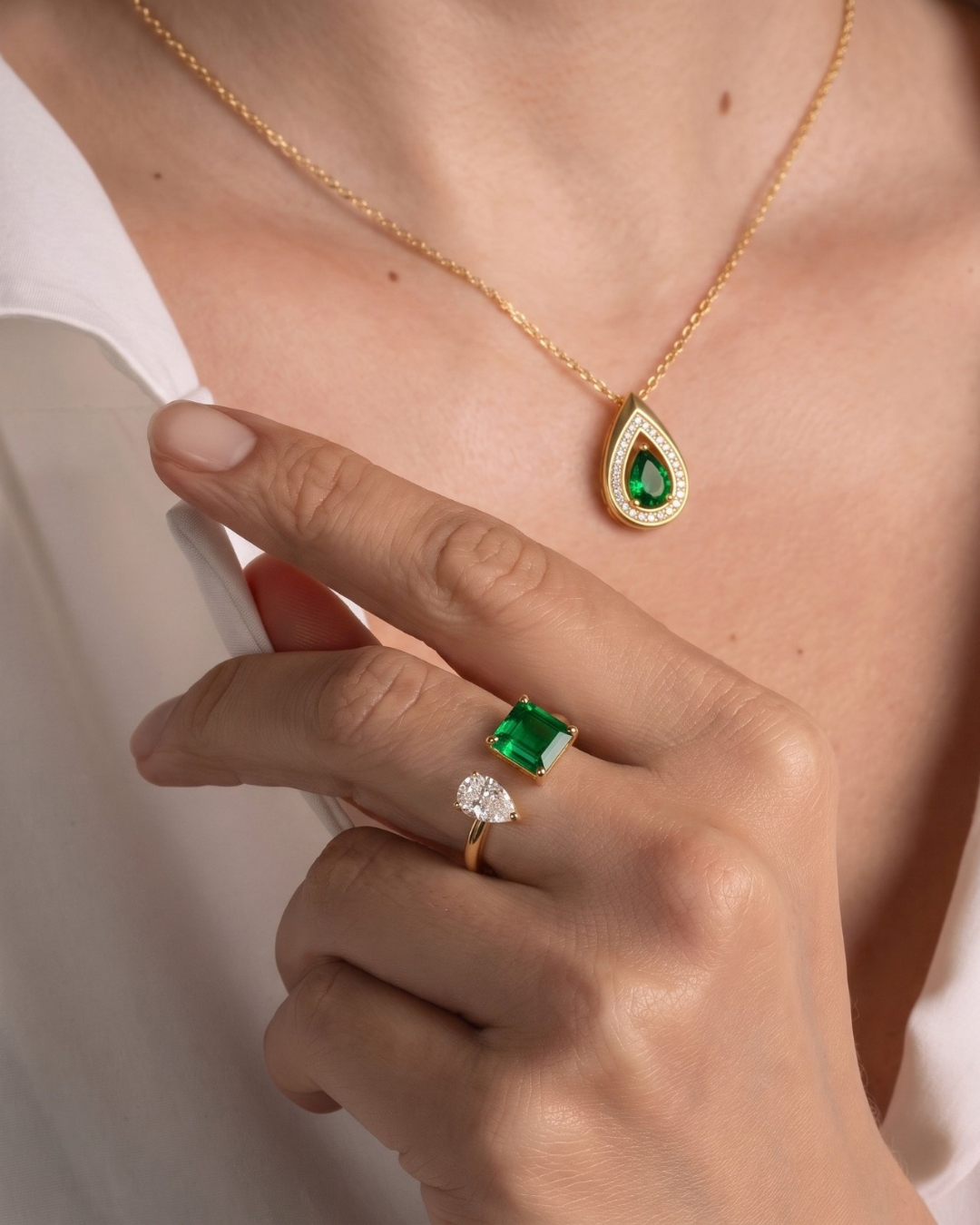
Emeralds (Oiled Stones)
Never:
- Use ultrasonic cleaners
- Soak for long periods
- Use harsh chemicals or heat
Instead:
- Quick soap and water cleaning (under 2 minutes)
- Very gentle wiping only
- Professional cleaning is safest
Opals (Porous and Delicate)
Never:
- Soak (opals absorb water and can crack)
- Use chemicals
- Apply heat
Instead:
- Damp cloth wiping only
- Avoid the stones, clean only gold
- Professional care recommended
Turquoise and Coral (Soft and Porous)
Never:
- Submerge
- Use any chemicals
- Scrub or brush
Instead:
- Dry polishing cloth only
- Professional cleaning safest
Special Care: How to Clean Permanent Jewelry
What is permanent jewelry? It's the trending style of bracelets, anklets, or necklaces that are custom-fitted and welded directly onto your body without claspscreating seamless, continuous loops you wear 24/7.
The Permanent Jewelry Cleaning Challenge
Since you can't remove permanent jewelry for soaking or thorough cleaning, you need specific techniques for maintaining these pieces while they're on your body.
Daily Shower Method
Process: Every time you shower, use your fingertips to gently rub along your permanent jewelry with a small amount of mild soap. Focus on:
- Areas where the chain sits against your skin
- Around charms or decorative elements
- The weld point and surrounding links
- Any crevices where dirt accumulates
Why It Works: Regular gentle cleaning prevents heavy buildup from forming. The warm shower water combined with soap and light friction maintains remarkable cleanliness.
Frequency: Daily shower cleaning keeps permanent jewelry sparkling without requiring removal.
Weekly Targeted Cleaning
Process: Once weekly, while your permanent jewelry is on your body:
- Apply a tiny drop of mild dish soap to a very soft toothbrush
- Gently brush along the chain, paying attention to detailed areas
- Rinse thoroughly by running lukewarm water directly over the piece
- Pat dry with a soft towel
Why It Works: The mechanical action of soft bristles dislodges stubborn debris that daily showering might miss.
Safety Note: Be extremely gentle near the weld point. Permanent jewelry is secure, but excessive force isn't necessary or beneficial.
Baking Soda for Stubborn Buildup
When: If your permanent jewelry develops visible buildup that shower cleaning doesn't remove
Process:
- Create a small amount of baking soda paste (3 parts baking soda, 1 part water)
- Apply with your fingertip directly to problem areas
- Gently rub in small circles
- Rinse thoroughly by running lukewarm water over the jewelry while on your body
- Dry completely with a soft towel
Professional Cleaning for Permanent Jewelry
When You Need It: Visit MH Elegance every 6-12 months for professional cleaning
What We Do:
- Specialized cleaning while the piece remains on your body
- Ultrasonic cleaning when appropriate for your specific piece
- Detailed inspection of the weld point
- Thorough cleaning of areas you can't easily reach
- Re-polishing to restore factory-new shine
Cleaning Mens Gold Ring Jewelry Properly
Mens gold ring jewelry often faces unique challenges that require adapted cleaning approaches.
Why Men's Rings Get Dirtier
Mens gold ring jewelry typically accumulates more buildup than women's pieces because:
- Men often work with their hands, exposing rings to more dirt and grime
- Wedding bands worn 24/7 never get a cleaning break
- Active lifestyles mean more sweat and environmental exposure
- Many men don't remove rings for activities that dirty them
The Heavy-Duty Cleaning Approach
For significantly soiled mens gold ring jewelry:
Step 1: Soak in warm soapy water for 20-30 minutes (longer than standard cleaning) to really loosen embedded grime
Step 2: Use a soft toothbrush with baking soda paste on stubborn areas, focusing on:
- The inside of the band where skin contact is constant
- Around any engravings where dirt lodges
- In textured or brushed finish areas that trap debris
- Behind gemstone settings if applicable
Step 3: For plain solid gold bands without gemstones, consider the ammonia solution method for deep cleaning
Step 4: Rinse extremely thoroughly and dry completely
Maintaining Men's Wedding Bands
Weekly Quick Clean: Even if the ring looks fine, quickly clean mens gold ring jewelry weekly to prevent buildup from becoming problematic.
Remove for Dirty Work: Take off rings before:
- Mechanical work or car maintenance
- Yard work or gardening
- Working with tools or heavy machinery
- Applying hair gel or other grooming products with strong chemicals
Night Removal: Develop a habit of removing rings at night. This gives jewelry a cleaning break and prevents overnight buildup while allowing natural skin oils to dissipate.
What Never to Use on Gold Jewelry
Understanding how to clean gold jewelry includes knowing what to avoid, because some common "cleaning" methods cause irreversible damage.
The Damage Hall of Fame
Chlorine Bleach:
- Breaks down gold alloys
- Causes pitting, discoloration, and structural weakness
- Never clean gold with bleach or wear gold in heavily chlorinated pools
Toothpaste:
- Despite internet myths, toothpaste is far too abrasive
- Scratches gold surfaces permanently
- Creates dull, damaged finishes that require professional re-polishing
- The minty fresh smell doesn't mean it's gentle
Harsh Abrasive Cleaners:
- Scouring powders, abrasive sponges, steel wool
- Scratch gold beyond home repair
- Destroy delicate finishes and engraving details
Acetone and Nail Polish Remover:
- Can damage certain gemstone settings
- Dissolves adhesives in some jewelry construction
- Unnecessarily harsh for gold cleaning
Paper Towels and Tissues:
- Contain wood fibers that scratch gold
- Always use soft, lint-free cloths or microfiber towels
Boiling Water on Gold-Plated Jewelry:
- Extreme temperature can separate the thin gold layer from base metal
- Causes bubbling, peeling, or complete plating failure
Ultrasonic Cleaners on Delicate Pieces:
- Can loosen stones with compromised settings
- May crack gemstones with inclusions or fractures
- Not suitable for hollow or delicate construction
Professional Cleaning vs. DIY: When to Choose Each
Knowing how to clean gold jewelry at home is valuable, but professional cleaning offers benefits home methods cannot replicate.
When DIY Cleaning Is Perfect
Routine Maintenance: For regular cleaning every 2-4 weeks to remove normal wear buildup, home methods work beautifully.
Visible Surface Dirt: When you can see oils, lotions, or light buildup on gold surfaces, DIY soap and water cleaning restores shine completely.
Simple Pieces: Plain gold chains, bands, and bracelets without complex gemstone settings or delicate construction clean easily at home.
Between Professional Appointments: Home cleaning maintains appearance during the months between professional services.
When Professional Cleaning Is Necessary
Deep Buildup: When dirt has accumulated for extended periods, professional cleaning reaches areas home methods miss.
Gemstone Security: Professionals inspect prong settings and identify loose stones before you lose precious gems.
Ultrasonic and Steam Power: Professional-grade equipment cleans at levels home methods cannot achieve, restoring near-new condition.
Complex Pieces: Intricate vintage jewelry, pieces with many gemstones, or items with delicate filigree work benefit from professional expertise.
Polishing and Refinishing: Scratched gold surfaces require professional polishing equipment. Home methods cannot remove scratches.
Annual Inspection: Even if jewelry looks clean, annual professional inspection catches developing problems, worn prongs, weakening clasps, structural issues, before they cause jewelry loss or damage.
After Major Life Events: Engagement rings after wedding planning stress, jewelry worn through pregnancies, pieces that have survived years of toddler hands these warrant professional attention.
At MH Elegance, we recommend professional cleaning every 6-12 months with regular home maintenance between visits. This combination keeps gold jewelry looking spectacular while ensuring long-term structural integrity.
Maintaining Your Gold Between Cleanings
Knowing how to clean jewelry is important, but smart daily habits prevent heavy buildup and reduce how often deep cleaning becomes necessary.
The Last-On, First-Off Rule
Apply First: Put on perfume, hairspray, lotion, sunscreen, and makeup before putting on jewelry. These products contain chemicals and ingredients that coat gold, dulling shine and requiring more frequent cleaning.
Remove First: Take off jewelry before showering with harsh soaps, swimming in pools, using household chemicals, or applying self-tanner.
Quick Daily Wipe-Down
30-Second Habit: At the end of each day, use a soft jewelry polishing cloth to quickly wipe your gold pieces before storing them. This removes the day's oils, lotions, and environmental debris before it hardens into stubborn buildup.
Microfiber Magic: Keep a small microfiber cloth in your jewelry box specifically for daily jewelry wiping. These cloths trap oils effectively without scratching.
Immediate Attention for Chemical Exposure
Don't Wait: If your jewelry contacts chlorine, hairspray, perfume, or other chemicals, rinse it immediately under lukewarm water and dry thoroughly. Quick action prevents chemical reactions that create tarnish or discoloration.
Proper Storage
Individual Storage: Store each piece separately in soft pouches or divided compartments. Gold can scratch other gold, and harder gemstones definitely scratch softer materials.
Avoid Humidity: Bathrooms seem convenient for jewelry storage, but humidity can affect certain gemstones and cause issues with some alloys. Store jewelry in low-humidity environments instead.
Troubleshooting Common Gold Jewelry Issues
Sometimes cleaning reveals problems that require different solutions. Here's how to address common issues you might discover while learning how to clean gold jewelry.
Issue: Jewelry Still Looks Dull After Cleaning
Possible Causes:
- Scratches on the gold surface (creates dull appearance even when clean)
- Worn rhodium plating on white gold (reveals yellowish gold underneath)
- Genuine tarnishing of lower-karat gold alloys (rare but possible)
Solutions:
- Professional polishing removes scratches and restores shine
- White gold pieces need re-rhodium plating
- Professional cleaning for genuine tarnish issues
Issue: Green Discoloration on Skin
Cause: Copper in gold alloys (especially in lower-karat gold) reacting with skin acids, sweat, or lotions
Solutions:
- Keep jewelry cleaner (prevents buildup that accelerates reactions)
- Apply clear nail polish to jewelry interior (creates barrier)
- Remove jewelry before applying lotions
- Consider higher-karat gold with less copper content
Issue: Loose Stones Discovered During Cleaning
Action: Stop wearing the piece immediately to prevent stone loss. Visit MH Elegance for professional prong tightening or setting repair.
Prevention: Regular professional inspections catch these issues before stones fall out.
Issue: Black Marks on Paper Towel After Wiping
Cause: Usually makeup residue, not jewelry damage
Action: Continue gentle cleaning. If marks persist after thorough washing, consult a professional.
Frequently Asked Questions
How often should I clean my gold jewelry?
For pieces you wear daily, clean every 2-3 weeks using the soap and water method to maintain optimal shine. Quick daily wipe-downs with a soft cloth prevent heavy buildup between deep cleans. Professional cleaning once or twice per year ensures thorough maintenance and allows jewelers to inspect for loose stones, worn prongs, or developing damage. If you notice dullness, clean immediately rather than waiting for your regular schedule.
Can I use toothpaste to clean gold jewelry?
No, toothpaste is too abrasive for gold jewelry despite popular internet advice. The abrasive particles in toothpaste scratch gold surfaces, creating dull, damaged finishes that require professional re-polishing to repair. Stick with gentle dish soap or baking soda paste for safe, effective cleaning that won't harm your gold. The minty scent doesn't indicate gentleness, toothpaste is designed for enamel, not precious metals.
Is it safe to clean gold jewelry with diamonds?
Yes, diamonds are the hardest natural material and can withstand any gentle gold cleaning method. The dish soap method, baking soda paste, and even ultrasonic professional cleaning are all safe for gold jewelry with diamonds. However, always verify that diamond settings remain secure before cleaning. Loose stones can fall out during the cleaning process, so check prongs and settings first, and have professionals inspect annually.
How do I clean gold-plated jewelry without removing the gold layer?
Gold-plated jewelry requires extremely gentle care because the gold layer is very thin (0.5-2 microns). Use only lukewarm water with a tiny drop of mild dish soap. Gently wipe with a soft, damp cloth,never scrub or use brushes. Pat dry immediately with a lint-free cloth. Never use baking soda, vinegar, ammonia, ultrasonic cleaners, or any abrasive materials on gold-plated pieces. Even with perfect care, the plating will eventually wear through with normal use.
What is permanent jewelry and how do I clean it?
Permanent jewelry refers to bracelets, anklets, or necklaces custom-fitted and welded directly onto your body without clasps, creating seamless pieces you wear continuously. Clean permanent jewelry daily during showers using mild soap and gentle rubbing with your fingertips. Once weekly, use a very soft toothbrush with dish soap for deeper cleaning, being careful around the weld point. Professional cleaning every 6-12 months at MH Elegance ensures thorough maintenance while the piece remains on your body.
Can I clean mens gold ring jewelry the same way as other gold?
Yes, mens gold ring jewelry cleans using the same methods, though men's rings often accumulate heavier buildup due to manual work, active lifestyles, and 24/7 wear. For significantly soiled men's rings, extend soaking time to 20-30 minutes and use baking soda paste on stubborn areas. Plain solid gold bands without gemstones can handle the ammonia solution method for deep cleaning. Wedding bands benefit from weekly maintenance cleaning to prevent heavy buildup.
Why does my clean gold jewelry still look cloudy?
Cloudiness after cleaning typically indicates incomplete rinsing (soap residue remains), water spots from air-drying without patting first, or microscopic scratches on the gold surface that scatter light. Rinse extremely thoroughly after cleaning, pat dry immediately with a lint-free cloth, then air-dry completely. If cloudiness persists, the gold surface may be scratched and require professional polishing to restore clarity and shine.
Can I wear gold jewelry in the shower?
You can wear solid gold jewelry in the shower without causing damage, though soap residue will build up more quickly, requiring more frequent cleaning. If you shower with jewelry on, ensure you rinse it thoroughly and dry it completely afterward. However, it's best to remove jewelry before showering to prevent soap buildup, avoid accidentally dropping and losing pieces down drains, and prevent potential snagging that could damage delicate chains or settings.
How do I clean antique gold jewelry safely?
Antique jewelry requires extra care due to delicate construction methods, old-style stone settings, or soft gemstones common in period pieces. For valuable antique gold jewelry, the safest approach is professional cleaning by jewelers experienced with antique pieces. If cleaning at home, use only the gentlest dish soap method with minimal brushing. Avoid baking soda, vinegar, ammonia, and ultrasonic cleaning unless a professional confirms safety for your specific piece.
What's the best way to dry gold jewelry after cleaning?
Pat jewelry gently with a lint-free cloth or microfiber towel to remove surface water, then lay pieces flat on a clean, dry towel to air-dry completely before storing. Never use paper towels or tissues (they scratch), and avoid heat sources like hair dryers (heat can damage certain gemstones or loosen settings). Ensure jewelry is completely dry before storage to prevent water spots and avoid trapped moisture that could affect certain gemstone types.

Written by MH ELEGANCE