Does 14k Gold Tarnish? The Complete Science-Backed Answer
The Short Answer: Does 14k Gold Tarnish?
If you've noticed your 14k gold jewelry looking slightly dull or discolored, you're probably wondering: does 14k gold tarnish? The straightforward answer is: genuine 14k gold does not tarnish in the traditional sense, but it can develop a subtle patina or temporary discoloration under specific circumstances.
Unlike silver, which develops black tarnish from sulfur compounds in the air, or copper, which develops green oxidation, pure gold is chemically inert and doesn't react with oxygen or most other elements. This means it doesn't tarnish, corrode, or rust. However, and this is the important part14k gold isn't pure gold.
Does 14k gold tarnish becomes a more nuanced question when you understand that 14k gold contains 58.3% pure gold mixed with 41.7% alloy metals like copper, silver, zinc, or nickel. While the gold itself remains forever brilliant, those alloy metals can react with environmental factors, creating what appears to be tarnishing.
At MH Elegance, we field this question almost daily from clients concerned about their investments. The good news? Any discoloration you see on quality 14k gold jewelry is typically surface-level buildup, not true tarnishing, and it's easily reversed with simple cleaning. Understanding the difference between genuine tarnish and temporary discoloration helps you care for your jewelry properly and maintain its beauty for generations.
This guide provides science-backed answers about 14k gold tarnish, explains why luxury brands choose this specific gold karat, and reveals how to keep your pieces looking brilliant forever.
Understanding What Tarnish Actually Is
Before we can properly answer does 14k gold tarnish, we need to understand what tarnishing actually means at a chemical level.
The Chemistry of Tarnish
Tarnish is a thin layer of corrosion that forms on metal surfaces when they react chemically with substances in their environment. This reaction changes the metal's surface composition, creating discoloration that can't be simply wiped away.
Common Tarnishing Metals:
- Silver: Reacts with hydrogen sulfide in air, forming black silver sulfide
- Copper: Reacts with oxygen and moisture, creating green copper oxide (patina)
- Brass: Develops dark brown or green tarnish from oxidation
What Tarnish Looks Like
True tarnish appears as:
- Black or dark gray discoloration (silver)
- Green or blue-green patina (copper, bronze)
- Brown or reddish-brown coating (iron, some copper alloys)
- Dull, cloudy surface that obscures the metal's natural shine
Why Pure Gold Doesn't Tarnish
Pure gold (24k) is one of the least reactive elements on Earth. It doesn't oxidize, corrode, or combine with other elements under normal conditions. This chemical stability is why ancient gold artifacts emerge from archaeological sites still gleaming after thousands of years underground.
The Gold Standard: Gold's resistance to tarnishing made it valuable for coinage, religious artifacts, and jewelry throughout human history. Unlike silver coins that blacken or copper that corrodes, gold maintains its appearance indefinitely.
The Science Behind 14k Gold Composition
To understand does 14k gold tarnish, you need to know exactly what 14k gold contains.
What Is 14k Gold?
14 karat gold means the alloy contains 14 parts pure gold out of 24 total parts, or 58.3% pure gold. The remaining 41.7% consists of other metals added for specific properties.
Why Not Pure Gold?: Pure 24k gold is extremely soft, too soft for jewelry that endures daily wear. Ancient gold coins bent easily, and pure gold rings would scratch, dent, and deform within weeks. Alloying gold with harder metals creates jewelry that's both beautiful and durable.
Common 14k Gold Alloy Formulas
Yellow 14k Gold typically contains:
- 58.3% pure gold
- 20-25% copper (adds warmth and strength)
- 12-15% silver (brightens color)
- Small amounts of zinc (increases hardness)
White 14k Gold typically contains:
- 58.3% pure gold
- Nickel, palladium, or manganese (creates white color)
- Silver
- Zinc
Rose 14k Gold typically contains:
- 58.3% pure gold
- Higher copper content (25-30%, creates pink/rose color)
- Small amounts of silver
- Zinc
How Alloys Affect Tarnishing
The answer to does 14k gold tarnish depends partly on which alloy metals your specific piece contains:
Copper: Can develop slight oxidation when exposed to acids, chlorine, or sulfur compounds. This creates subtle darkening or greenish tones.
Silver: Can tarnish when exposed to sulfur compounds, though the high gold content in 14k significantly slows this process.
Nickel: Generally doesn't tarnish but can cause allergic reactions in sensitive individuals.
The Gold Protection: The 58.3% pure gold content in 14k jewelry creates a protective presence that dramatically slows any tarnishing from alloy metals. The gold essentially shields the reactive metals, making true tarnishing extremely rare.
Why 14k Gold Resists Tarnishing Better Than Other Metals
When people ask does 14k gold tarnish, they're often comparing it to sterling silver or other metals they've owned. The comparison reveals why 14k gold performs so much better.
14k Gold vs. Sterling Silver
Sterling Silver (92.5% silver, 7.5% copper):
- Tarnishes readily when exposed to sulfur compounds in air
- Develops black tarnish that requires regular polishing
- Needs frequent maintenance to stay brilliant
14k Gold:
- The 58.3% pure gold content doesn't tarnish at all
- Alloy metals are protected by surrounding gold
- Rarely develops true tarnish under normal conditions
- Requires minimal maintenance
14k Gold vs. Gold-Plated Jewelry
This comparison answers a related question many people have: does 14k gold plated tarnish?
Gold-Plated Jewelry (thin gold layer over base metal):
- The thin gold layer wears through with use
- Once worn through, the base metal (often brass or copper) tarnishes quickly
- Typically shows tarnishing within months to a few years
- Cannot be restored to original condition
Solid 14k Gold:
- Gold goes all the way through the metal
- No base metal to expose and tarnish
- Scratches don't reveal different metal underneath
- Lasts for generations with minimal care
The Critical Difference: When asking does 14k gold plated tarnish, the answer is "eventually, yes", but not because of the gold layer. The tarnishing occurs when the plating wears through and exposes reactive base metals underneath.
14k Gold vs. Lower Karat Gold
10k Gold (41.7% pure gold):
- Higher alloy metal content (58.3%)
- More potential for alloy metal reactions
- Slightly more prone to discoloration than 14k
- Still very resistant to true tarnishing
14k Gold (58.3% pure gold):
- Ideal balance, enough gold to resist tarnishing, enough alloy for durability
- Sweet spot for tarnish resistance and practical wear
18k Gold (75% pure gold):
- Even more tarnish-resistant due to higher gold content
- Softer and more expensive
- Less practical for everyday jewelry
Does 14k Gold Plated Tarnish Differently?
Since does 14k gold plated tarnish is a common related question, let's address it directly with clarity.
Understanding Gold Plating
Gold-plated jewelry features a thin layer of real gold (often 14k) electroplated onto base metal, typically brass, copper, or steel. This plating can be as thin as 0.5 microns (about 1/100th the thickness of a human hair).
Why Gold-Plated Jewelry Tarnishes
Initial Period: When new, 14k gold-plated jewelry looks identical to solid 14k gold. The gold layer prevents tarnishing beautifully, at first.
The Wear Problem: Daily wear gradually removes the thin gold plating through friction, scratching, and chemical exposure. Lotions, perfumes, sweat, and even hand-washing accelerate this wear.
Exposed Base Metal: Once the gold layer wears through, even in tiny spots, the base metal underneath contacts air and moisture. This base metal (often copper or brass) tarnishes quickly, creating:
- Dark spots or patches
- Green discoloration (copper oxidation)
- Black tarnish (if the base is silver-toned metal)
- Overall dullness as more plating disappears
Timeline for Gold-Plated Tarnishing
High-Quality Plating: May last 1-3 years with careful wear before showing tarnish
Standard Plating: Often shows tarnishing within 6-12 months of regular wear
Poor Quality Plating: Can begin tarnishing within weeks
The Answer: So does 14k gold plated tarnish? The gold layer itself doesn't tarnish, but the jewelry absolutely will once that layer wears through. This is inevitable with plated jewelry, it's a question of "when," not "if."
Gold-Filled: A Better Alternative
Gold-filled jewelry offers a middle ground between plated and solid gold:
- Thick gold layer (5% or more of total weight) mechanically bonded to base metal
- The gold layer is 50-100 times thicker than plating
- Can last 10-30 years before showing wear
- Still not as permanent as solid 14k gold
Factors That Can Cause 14k Gold to Discolor
While genuine 14k gold rarely tarnishes, several factors can create temporary discoloration that people mistake for tarnishing.
Soap and Lotion Buildup
What Happens: Residue from hand soap, body lotion, sunscreen, and cosmetics accumulates in ring crevices, behind gemstone settings, and along chain links. This buildup creates a dull film that obscures the gold's natural shine.
What It Looks Like: Cloudy, whitish, or grayish film; reduced sparkle; dull appearance
The Fix: Simple cleaning with warm water and mild dish soap removes this buildup instantly. This isn't tarnish, it's just dirt.
Chlorine Exposure
What Happens: Chlorine in swimming pools, hot tubs, and household bleach can react with alloy metals in 14k gold, causing:
- Weakening of metal structure
- Pitting and erosion
- White or pale spots
- Brittleness
What It Looks Like: Lightened areas, white spots, weakened solder joints
The Fix: Avoid chlorine exposure entirely. Remove 14k gold jewelry before swimming or cleaning with bleach-based products. Damage from chlorine sometimes requires professional repair or re-polishing.
Ammonia and Harsh Chemicals
What Happens: Strong chemicals can react with alloy metals, creating temporary discoloration or, in severe cases, permanent damage.
Prevention: Remove jewelry before using household cleaners, hair chemicals, or industrial products.
Makeup and Cosmetics
What Happens: Certain makeup products, especially powders and foundations, contain ingredients that create dark smudges on gold jewelry.
What It Looks Like: Black or dark gray marks, especially on rings
The Fix: This is abrasive makeup residue, not tarnish. It wipes away with gentle rubbing using a jewelry polishing cloth.
Sulfur Compounds
What Happens: While pure gold doesn't react with sulfur, the silver content in some 14k alloys can develop very slight tarnishing when exposed to sulfur compounds in:
- Hot springs
- Volcanic areas
- Certain foods (eggs, onions, garlic)
- Industrial pollution
What It Looks Like: Subtle darkening or grayish tone
The Fix: Professional cleaning easily removes this. Unlike silver, which develops heavy black tarnish from sulfur, 14k gold shows only minor, easily reversed effects.
Why Do Luxury Brands Use 14k Gold?
Understanding why do luxury brands use 14k gold reveals why this karat has become the industry standard for fine jewelry.
The Perfect Balance
14k gold occupies the sweet spot between luxury and practicality:
Enough Gold for Prestige: At 58.3% pure gold, 14k contains substantial precious metal content. It looks, feels, and performs like genuine gold jewelry should.
Enough Alloy for Durability: The 41.7% alloy content creates jewelry that withstands daily wear without deforming, scratching excessively, or requiring constant professional maintenance.
Ideal for Gemstone Settings: Prongs and settings need strength to secure valuable diamonds and gemstones. 14k gold provides this security while maintaining precious metal prestige.
The Economic Sweet Spot
Why do luxury brands use 14k gold also has financial reasoning:
Accessible Luxury: 14k gold costs significantly less than 18k or higher karats, making luxury jewelry accessible to broader markets while maintaining genuine value.
Better Margins: Brands can offer substantial, impressive pieces at prices that create healthy profit margins while delivering authentic quality customers can trust.
Resale and Refurbishment Value: 14k gold jewelry holds value well, making customers comfortable investing. The durability means pieces can be refurbished and resold, extending their commercial life.
Industry Standards
American Preference: In the United States, 14k gold dominates the jewelry market. American consumers associate this karat with quality, value, and practical luxury.
European Differences: European markets traditionally favor 18k gold, though 14k has gained popularity due to its durability advantages.
Luxury Brand Examples: Many prestigious brands, including Tiffany & Co., David Yurman, and others, offer substantial collections in 14k gold because it delivers the quality their reputation demands at price points their markets will support.
Technical Advantages
Why do luxury brands use 14k gold includes manufacturing considerations:
Easier Manufacturing: 14k gold's hardness makes it easier to work with in intricate designs, detailed engravings, and complex constructions.
Better for Chain Making: The strength of 14k gold creates chains that resist breakage, stretching, and deformation far better than higher karat alternatives.
Color Consistency: Alloy formulas for 14k gold are well-established and reliable, creating consistent color across different manufacturers and production runs.
How to Tell If Your 14k Gold Is Tarnishing
Since does 14k gold tarnish leads to concerns about jewelry condition, here's how to diagnose what's actually happening with your pieces.
True Tarnish vs. Surface Buildup
Surface Buildup (Most Common):
- Looks cloudy, dull, or filmy
- Wipes away with gentle rubbing
- Concentrated in crevices, behind settings, in chain links
- Reveals brilliant gold underneath with cleaning
True Discoloration (Rare):
- Doesn't easily wipe away
- Appears as actual color change in the gold itself
- May show greenish (copper oxidation) or darker tones
- Requires professional polishing to remove
The Paper Towel Test
Rub your jewelry gently with a clean white paper towel:
If black marks appear on the towel: This is likely makeup residue, not tarnish
If the gold looks brighter after rubbing: You had surface buildup, not tarnish
If nothing changes: You may have genuine discoloration requiring professional attention
Visual Inspection
What to Look For:
- Check if all gold parts show the same discoloration (suggests buildup) or if only certain areas look affected (suggests chemical reaction)
- Examine areas that don't contact skin, clasps, the backs of earrings. If these look dull too, it's likely buildup rather than body chemistry issues
- Look for greenish tones (copper oxidation) versus blackish tones (possible silver tarnish in the alloy)
Preventing Tarnish on Your 14k Gold Jewelry
Even though does 14k gold tarnish has a mostly reassuring answer, smart prevention practices keep your jewelry looking brilliant forever.
Daily Wear Habits
Last On, First Off: Put jewelry on after applying makeup, lotion, perfume, and hair products. Remove jewelry before showering, swimming, or cleaning.
Avoid Chemical Exposure: Remove 14k gold jewelry before:
- Swimming in chlorinated pools or hot tubs
- Cleaning with harsh chemicals
- Applying hair chemicals or spray tans
- Working with industrial or garden chemicals
Dry After Water Exposure: If your jewelry gets wet, dry it thoroughly. Trapped moisture can accelerate any potential reactions with alloy metals.
Storage Practices
Individual Storage: Store each piece separately in soft pouches or divided jewelry boxes. This prevents scratching and keeps pieces clean.
Low Humidity: Avoid storing jewelry in bathrooms where humidity is high. Dry environments prevent moisture-related issues.
Anti-Tarnish Storage: For pieces you rarely wear, consider anti-tarnish strips in your jewelry box. While 14k gold barely needs this protection, it doesn't hurt and helps if you store silver jewelry nearby.
Regular Maintenance
Weekly Wipe-Down: Use a soft jewelry polishing cloth to wipe pieces you wear frequently. This removes daily buildup before it accumulates.
Monthly Inspection: Check your jewelry for loose stones, worn prongs, or developing discoloration. Catching issues early prevents damage.
Professional Cleaning: Visit MH Elegance every 6-12 months for professional cleaning and inspection. We check structural integrity while restoring brilliant shine.
Cleaning and Restoring 14k Gold
When your 14k gold needs cleaning, these methods safely restore its original brilliance.
At-Home Cleaning
The Soap and Water Method (Safest for All 14k Gold):
- Mix warm (not hot) water with a few drops of mild dish soap
- Soak jewelry for 10-15 minutes to loosen buildup
- Gently brush with a soft toothbrush, especially around gemstone settings and in crevices
- Rinse thoroughly under lukewarm running water
- Pat dry with a lint-free cloth
- Let air dry completely before storing
What This Removes: Soap residue, lotion buildup, dirt, most cosmetic residue
When to Use: For routine cleaning every 2-4 weeks or whenever jewelry looks dull
Baking Soda Paste (For Stubborn Buildup)
How to Use:
- Mix 3 parts baking soda with 1 part water to create a paste
- Apply gently with your fingers or a soft cloth
- Rub in circular motions with very light pressure
- Rinse thoroughly and dry completely
Caution: Use very gentle pressure. Baking soda is mildly abrasive and can scratch softer gemstones or gold with excessive force.
What NOT to Use
Toothpaste: Too abrasive for gold and can scratch both the metal and gemstones
Chlorine Bleach: Damages gold alloys and can cause permanent discoloration or structural weakening
Ammonia (without professional guidance): Can damage certain gemstones and shouldn't be used on pieces with pearls, opals, or emeralds
Professional Restoration
For genuine discoloration that cleaning doesn't remove:
Professional Polishing: Jewelers use specialized equipment to remove a microscopically thin layer of gold surface, revealing brilliant metal underneath
Ultrasonic Cleaning: Professional ultrasonic cleaners use high-frequency sound waves to dislodge debris from areas hand-cleaning can't reach
Steam Cleaning: High-pressure steam removes stubborn buildup safely and effectively
At MH Elegance, we offer complimentary cleaning and inspection for all our clients, ensuring your 14k gold jewelry receives expert care.
Comparing 14k Gold to Other Karats
Understanding how does 14k gold tarnish compares to other gold karats helps you choose jewelry wisely.
10k Gold
Gold Content: 41.7% pure gold, 58.3% alloy metals
Tarnish Resistance: Slightly more prone to discoloration than 14k due to higher alloy content, but still very resistant
Appearance: Paler gold color
Best For: Active lifestyles, maximum durability, budget-conscious buyers
14k Gold
Gold Content: 58.3% pure gold, 41.7% alloy metals
Tarnish Resistance: Excellent, the sweet spot between tarnish resistance and durability
Appearance: Rich, warm gold color
Best For: Most jewelry buyers seeking balance of quality, value, and performance
18k Gold
Gold Content: 75% pure gold, 25% alloy metals
Tarnish Resistance: Superior to 14k due to higher gold content, though the difference is minimal in practical terms
Appearance: Deeper, richer gold color
Best For: Luxury pieces, special occasions, those prioritizing maximum gold content
22k and 24k Gold
Gold Content: 91.7% (22k) to 99.9% (24k) pure gold
Tarnish Resistance: Essentially tarnish-proof, as there's little to no alloy metal to react
Appearance: Deep yellow, almost orange-gold color
Best For: Investment pieces, coins, jewelry for very gentle wear only (too soft for daily use)
Frequently Asked Questions
Does 14k gold tarnish like silver does?
No. Silver develops black tarnish readily from sulfur compounds in air, requiring frequent polishing. 14k gold, with its 58.3% pure gold content, is far more chemically stable. While the alloy metals in 14k gold can develop slight discoloration under specific conditions, it doesn't tarnish in the traditional sense like silver does. Any discoloration is typically surface buildup that cleans away easily, not chemical tarnishing of the metal itself.
Why does my 14k gold look dull?
Dull-looking 14k gold almost always results from surface buildup, soap residue, body lotions, cosmetics, or environmental dirt, not from tarnishing. This film accumulates in crevices, behind gemstone settings, and on chain links, blocking light and reducing shine. Simple cleaning with warm water and mild dish soap typically restores full brilliance immediately. If cleaning doesn't help, visit a professional jeweler for polishing.
Does 14k gold plated tarnish faster than solid 14k gold?
Yes, significantly faster. 14k gold-plated jewelry has a thin gold layer over base metal (usually brass or copper). When this plating wears through with use, often within months to a few years, the base metal underneath tarnishes quickly, creating dark spots, green discoloration, or overall dullness. Solid 14k gold goes all the way through, so there's no base metal to tarnish. The gold layer in plated jewelry is typically 0.5-2 microns thick, while gold-filled jewelry has a much thicker layer that lasts longer before tarnishing.
Can chlorine damage 14k gold?
Yes. Chlorine doesn't cause traditional tarnishing, but it chemically reacts with the alloy metals in 14k gold, potentially causing weakening, pitting, white spots, or structural damage. Always remove 14k gold jewelry before swimming in pools, hot tubs, or using bleach-based cleaners. Chlorine damage can be permanent and may require professional repair.
Why do luxury brands use 14k gold instead of higher karats?
Luxury brands use 14k gold because it offers the perfect balance of precious metal content, durability, and value. At 58.3% pure gold, 14k provides genuine luxury and lasting value while being hard enough for intricate designs, secure gemstone settings, and daily wear. Higher karats (18k, 22k) are softer and more expensive, while lower karats (10k) don't feel as luxurious. 14k hits the sweet spot that satisfies customers' expectations for quality while creating durable pieces that last generations.
How can I tell if my gold is 14k or just gold-plated?
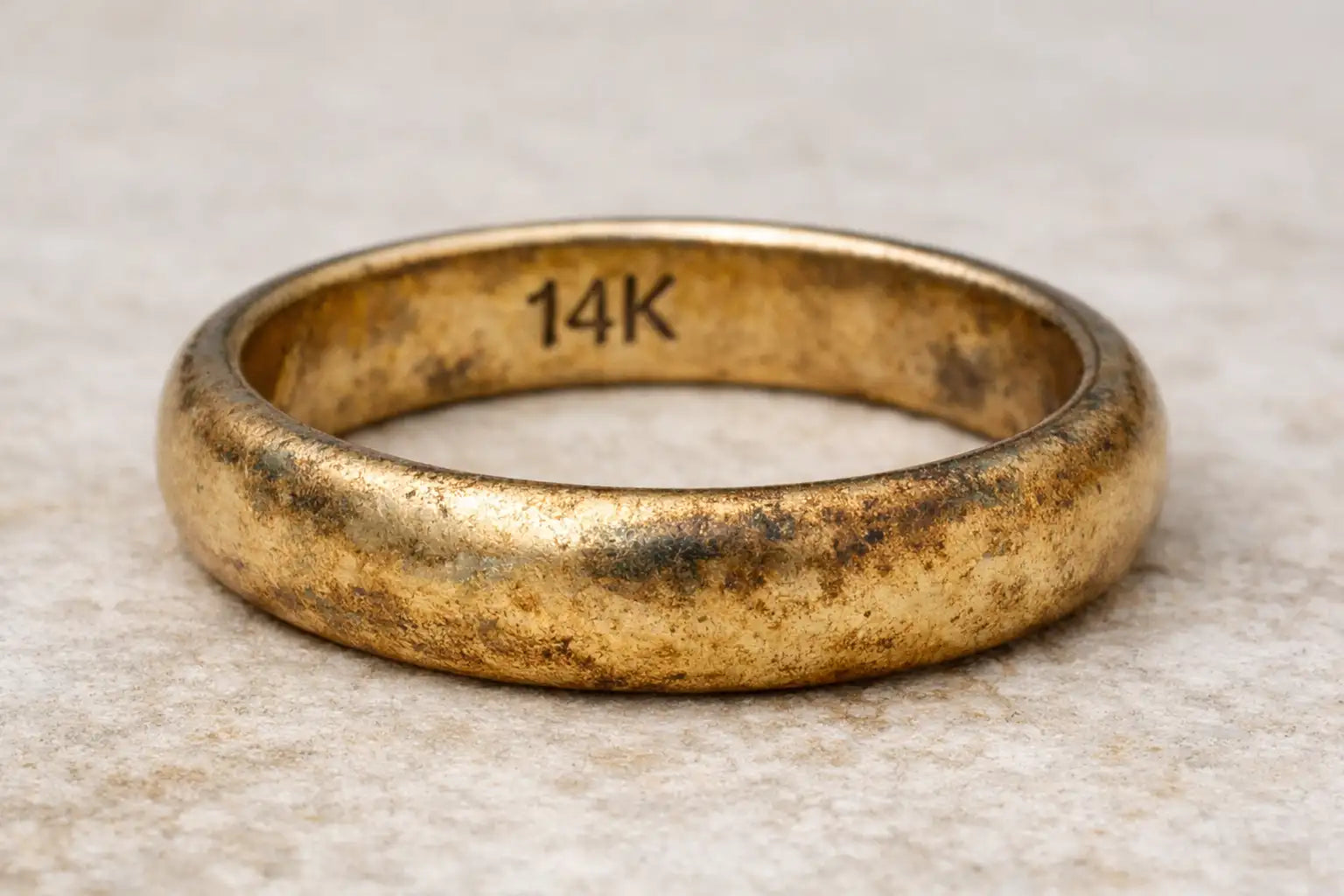
Check for hallmark stamps inside rings, on clasp mechanisms, or on the backs of pendants. Look for "14k," "585," or "14kt" stamps indicating solid 14k gold. Gold-plated pieces typically show "GP" (gold-plated), "GEP" (gold electroplate), or "HGE" (heavy gold electroplate). Another test: solid 14k gold feels heavier than plated jewelry of similar size because gold is dense. If worn areas show different colored metal underneath, it's plated. When in doubt, visit a professional jeweler for testing.
Will 14k white gold tarnish?
White gold is actually yellow gold with different alloy metals (nickel, palladium, or manganese) that create a white color, then plated with rhodium for bright white appearance. The gold itself doesn't tarnish, but the rhodium plating wears over time (typically 1-3 years), revealing the slightly warmer white gold underneath. This isn't tarnishing, it's plating wear. Re-rhodium plating restores the original bright white appearance. The underlying 14k gold remains tarnish-resistant.
How long does 14k gold last?
14k gold lasts indefinitely with proper care. The gold content doesn't degrade, tarnish, or deteriorate over time. Ancient gold artifacts thousands of years old emerge from archaeological sites still gleaming. With regular cleaning and occasional professional maintenance, your 14k gold jewelry should serve you for your entire lifetime and become heirlooms passed to future generations. The durability of 14k gold makes it an excellent choice for wedding bands and daily-wear jewelry.
Can I wear 14k gold in the shower?
You can wear 14k gold in the shower without causing tarnishing, though it's not ideal. Soap residue builds up on jewelry, dulling its shine. If you shower with jewelry on, dry it thoroughly afterward and clean it regularly. However, it's best to remove jewelry before showering to prevent soap buildup, avoid dropping and losing pieces down drains, and prevent potential snagging that could damage chains or settings.
Does rose gold tarnish more than yellow gold?
Rose gold (which contains higher copper content to create its pink color) can develop slight copper oxidation under extreme conditions, giving it a very subtle darker patina over decades. However, in 14k rose gold, the 58.3% pure gold content protects the copper significantly, making any tarnishing extremely rare and minimal. Yellow 14k gold and rose 14k gold have comparable tarnish resistance for all practical purposes. Any discoloration in either type typically results from buildup rather than true tarnishing.

Written by MH ELEGANCE